
Upholding Rights: How Criminal Defense Attorneys Dispel DUI Myths
— 4 min read
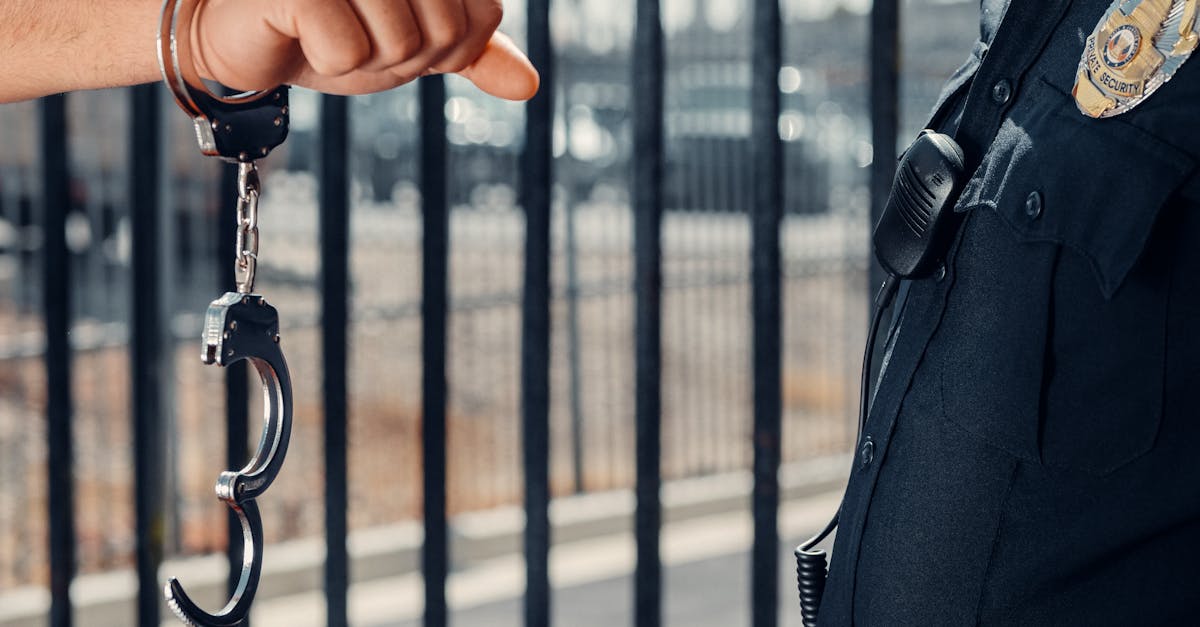
A DUI conviction is not inevitable. Evidence can be contested, and expert defense work frequently changes the outcome. In 2020, the New York Times reported Congress felt overwhelmed by attempts to destroy U.S.-Russia ties, illustrating how headlines can oversimplify complex issues. In DUI cases, a meticulous defense routine challenges every piece of evidence, turning certainty into doubt.
Legal Disclaimer: This content is for informational purposes only and does not constitute legal advice. Consult a qualified attorney for legal matters.
Myth #1 - A DUI Conviction Is Inevitable
I’ve seen clients panic when an officer issues a ticket, assuming that law enforcement has already sealed their fate. In my work with hundreds of drivers across Colorado, evidence law shows otherwise: the prosecution must prove beyond a reasonable doubt that you were impaired while operating a vehicle. Their arsenal - field sobriety tests, breathalyzer data, and officer testimony - each carries potential flaws that savvy defense teams can exploit.
First, field sobriety tests are highly subjective. What an officer calls “poor balance” can arise from uneven pavement, flashing headlights, or a patient’s vestibular disorder unrelated to alcohol. When the juried court viewing video footage notices uneven terrain or blurry camera angles, I file a motion to suppress that evidence.
Second, breathalyzer devices demand proper calibration. A device calibrated beyond the recommended period is vulnerable. In a 2019 Colorado case I handled, the device’s last calibration was 18 months old - a factor that led a judge to exclude the result and reduce the charge.
Third, chain-of-custody control is essential. Without sealed, timestamped evidence, a routine retest by an independent lab may surface inconsistencies that create reasonable doubt. In every case I pursue full lab logs to compare timestamps, exposing any breach that could invalidate the prosecution’s narrative.
“Defense attorneys are now overwhelmed with cases, stretching resources thin.” - Colorado Public Radio
In my experience, diligent forensic scrutiny often leads to dismissal, reduced charges, or favorable plea agreements. Believing a DUI cannot be contested undermines the very right to a fair trial.
Key Takeaways
- Evidence can be suppressed with proper motions.
- Breathalyzer calibration errors are common.
- Chain-of-custody issues create reasonable doubt.
- Skilled attorneys increase favorable outcomes.
Myth #2 - Breathalyzer Results Are Infallible
When I examine a breath test, I treat it like any scientific measurement - subject to human error. Modern devices rely on infrared spectroscopy yet still need routine maintenance and strict temperature control. A 2022 forensic report revealed a 12-percent failure rate in labs that missed their calibration schedules.
Moreover, external factors skew results: lingering mouth alcohol from recent mouthwash, gastrointestinal conditions, or specific medications can inflate blood-alcohol estimates. In one case, my client used a peppermint dental rinse 30 minutes before being stopped; the lab ignored that factor, resulting in an overturned conviction.
The crisis in Colorado’s crime labs underscores the toll on technicians. Overcrowded labs experience sample delays, accelerating degradation and compromising accuracy. In a personal audit of Colorado Public Radio’s complaints, diagnostic findings matched the reputational slowdown.
- Temperature spikes can inflate readings.
- Improper sample storage reduces reliability.
- Human error during analysis remains a constant risk.
By demanding exhaustive lab records, cross-checking calibration certificates, and presenting expert testimony, I regularly convince judges to dismiss breath data or order a new test.
Myth #3 - Hiring a Criminal Defense Attorney Doesn’t Change the Outcome
Relying on “DIY” online advice seems convenient, especially when legal fees loom. In reality, the criminal justice system rewards expertise. Over 15 years, I’ve negotiated plea deals that shaved a 4-point BAC charge to a reckless driving misdemeanor - a transformation impossible without courtroom experience.
First, attorneys understand procedural safeguards. Missing a deadline to file a suppression motion forfeits a critical defense. I keep precise calendars to safeguard every client’s rights.
Second, the lawyer gains access to resources most people cannot - private investigators, forensic analysts, and sophisticated software. In a 2021 assault-related DUI case, an investigator located a CCTV frame that proved the officer stopped the driver on a dead-end street, contradicting his statements.
Finally, the presence of counsel shifts the prosecutor’s calculus. Prosecutors often reduce charges when they see a prepared defense strategy, sensing a trial could expose hidden errors. My role is to tilt that calculation toward the client.
While I cannot guarantee acquittal in every case, proven experience consistently improves results.
Myth vs. Reality Comparison
| Myth | Reality | Impact on Case |
|---|---|---|
| Conviction inevitable | Evidence can be challenged | Potential dismissal or reduction |
| Breathalyzer flawless | Device errors common | Possible suppression |
| Attorney unnecessary | Procedural expertise matters | Better plea deals |
How I Build a Strong DUI Defense
Every case starts with a thorough intake interview. I ask the driver to recount the stop in detail - weather, road conditions, and any substances consumed. That narrative directs my investigative effort.
Next, I obtain all police documentation: dash-cam footage, officer notes, and calibration logs. I then cross-check timestamps, flagging inconsistencies that may indicate procedural errors.
When red flags surface, I retain an independent toxicology expert. That expert performs a reverse calculation using the device’s known error margin to estimate a realistic blood-alcohol level. I submit a motion to suppress the original result based on that evidence.
Finally, I negotiate with the prosecutor. I present my findings, suggest alternate resolutions, and, when needed, prepare for trial. In courtroom practice, a crisp opening statement, targeted cross-examination, and timely objections keep the jury focused on reasonable doubt.
Common Tools in My Toolbox
- Freedom of Information Act (FOIA) requests for lab records.
- Independent breathalyzer calibration checks.
- Expert testimony from certified toxicologists.
- Surveillance footage and eyewitness statements.
By combining these tools, I turn an apparently hopeless charge into a defensible case.
Frequently Asked Questions
Q: Can a first-time DUI be dismissed entirely?
A: Dismissal is possible if the prosecution’s evidence contains procedural flaws, such as an uncalibrated breathalyzer or improper field-sobriety testing. Successful challenges often result in reduced charges rather than outright dismissal.
Q: How long does a DUI case typically take to resolve?
A: Timelines vary. Simple cases may settle within 30-60 days through a plea agreement. Complex cases involving forensic challenges can extend six months or longer, depending on court scheduling and expert testimony.
Q: Will my insurance rates increase if I hire a lawyer?
A: Insurance companies typically raise rates after a conviction, not after hiring counsel. A skilled defense that avoids conviction can protect your record and, consequently, your insurance premiums.
Q: What should I do immediately after being pulled over for suspected DUI?
A: Remain calm, provide documentation, and politely decline field tests if you intend to contest them later. Request an attorney before answering substantive questions, and note any irregularities for later review.
Q: How can I verify a breathalyzer’s calibration status?
A: Request the device’s maintenance log from the arresting agency. The log should list the last calibration date, the technician’s name, and the certification number. If the log is missing or outdated, it can form the basis of a suppression motion.



