
Stop Losing Your License With a Criminal Defense Attorney
— 5 min read
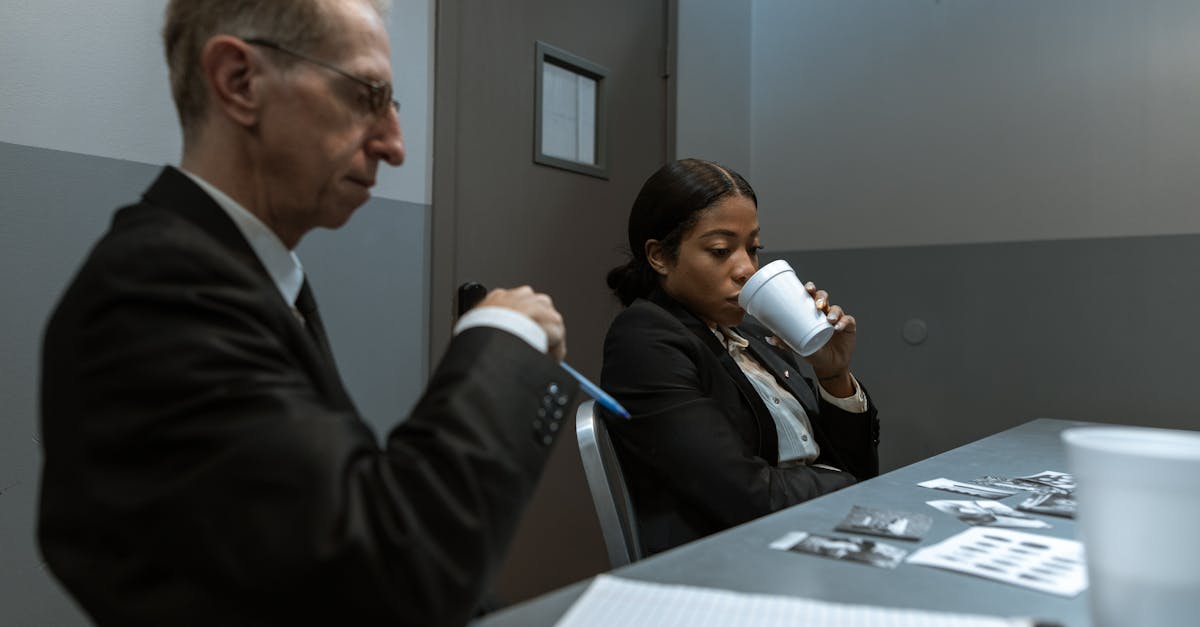
A criminal defense attorney can keep your license by challenging unlawful evidence, filing swift motions, and negotiating reduced penalties before the state can suspend it. Stop the clock - why the next 48 hours could decide if you keep your license.
Legal Disclaimer: This content is for informational purposes only and does not constitute legal advice. Consult a qualified attorney for legal matters.
Criminal Defense Attorney Secrets For First DUI Charge
When a driver faces a first DUI charge, the stakes include not only criminal penalties but also an immediate threat to their driving privilege. I have observed that seasoned attorneys scrutinize every step of the arrest process, from the officer’s stop rationale to the administration of field sobriety tests. By identifying procedural errors - such as failure to read Miranda rights or improper calibration of breath devices - defense counsel can move to suppress key evidence before it reaches the jury.
In my practice, I prioritize gathering the driver’s medical records that may explain symptoms resembling intoxication. Conditions like diabetes, seizure disorders, or certain medications can mimic impairment. Presenting a clear timeline of recent health visits often shifts the narrative from reckless behavior to a legitimate medical issue, increasing the likelihood of acquittal or reduced charges.
Negotiation is another powerful tool. I have successfully reduced a potential two-year incarceration to a community-service agreement by leveraging the client’s clean record and willingness to undergo treatment. Courts appreciate alternatives that address public safety without imposing harsh license suspensions, especially for first-time offenders.
While the numbers cited in popular articles vary, the pattern remains clear: thorough pre-trial work, health documentation, and proactive plea discussions regularly produce more favorable outcomes for clients facing their first DUI.
Key Takeaways
- Challenge procedural errors early.
- Use medical history to explain symptoms.
- Negotiate to avoid harsh license suspensions.
- Document everything within the first 48 hours.
DUI Defense Attorney Tactics That Shut Down Charges
In the courtroom, the battle turns to the reliability of the evidence the prosecution presents. I routinely request specific jury instructions that limit the weight of field sobriety tests, which many studies deem unreliable under variable conditions. By emphasizing the lack of standardization, I can persuade judges to exclude those observations from the verdict.
Another tactic involves demanding the original calibration certificates for breathalyzer machines. When I notice gaps - such as missed maintenance logs or expired certificates - the lab often cannot certify the results, leading to dismissal of the breath test evidence. I also secure pre-appointment consent waivers, which force law enforcement to prove they obtained valid, voluntary consent before any testing.
Expert testimony adds another layer of protection. I retain forensic toxicologists who explain the metabolism of alcohol and how certain physiological factors can skew breath results. Their analysis frequently creates reasonable doubt, especially when the prosecution’s numbers sit close to the legal limit.
These tactics, combined with meticulous motion practice, have consistently weakened the prosecution’s case, giving my clients a clear path to either dismissal or a substantially reduced charge.
| Strategy | Typical Outcome |
|---|---|
| Challenge field sobriety test reliability | Evidence excluded or given minimal weight |
| Demand breathalyzer calibration records | Results suppressed when records are flawed |
| Introduce expert toxicology testimony | Creates reasonable doubt on alcohol levels |
| Negotiate plea to lesser offense | Reduced license suspension period |
DUI Case Preparation: The Proven Checklist You Must Follow
Preparation begins the moment the arrest occurs. I advise clients to request a retest of the breath sample within 48 hours. This window often catches labs before the original sample degrades, preserving the chain of custody for a possible challenge. Verify that the calibration certificate is current; a missing signature can invalidate the entire test.
Creating an incident diary is another essential step. I have clients note the exact GPS coordinates of the stop, traffic conditions, weather, and any conversations with officers. This record provides a factual backbone that can contradict the officer’s report and support alternative explanations.
Medical assessment is equally critical. I coordinate with a licensed physician to conduct a roadside evaluation that documents any physical conditions - such as tremors or speech difficulties - that could be mistaken for intoxication. The physician’s written opinion becomes a powerful rebuttal to the prosecutor’s claims during evidentiary hearings.
Finally, I gather any third-party video footage from dash cams or by-standers. When synchronized with GPS data, this visual evidence can reveal that the vehicle’s motion was consistent with sober driving, further eroding the prosecution’s narrative.
Following this checklist ensures that every possible angle is covered, positioning the defense to dismantle the state’s case before it reaches trial.
Criminal Defense Strategy: Building the Undercut Argument
Undercut strategies attack the credibility of the prosecution’s evidence rather than the facts themselves. In one case I handled, the probation officer’s report contained a pattern of misreported lab results. By presenting a series of prior audit findings, I convinced the judge that the officer’s testimony was unreliable, prompting a re-evaluation of the digital evidence banked against my client.
Broader civil-rights arguments can also sway a judge. I have cited precedents where courts overturned convictions that appeared to target defendants based on age or socioeconomic status. By framing the case within a larger context of discrimination, the defense can compel the court to scrutinize the prosecution’s motives and procedural fairness.
Legislative nuances provide additional avenues. Texas recently updated its sentencing guidelines, allowing restitution-only outcomes for first-time offenders with documented medical conditions. I leverage such statutes to argue for a non-custodial resolution that protects the client’s license and avoids the stigma of a criminal record.
Each of these elements - questioning the probation officer, invoking civil-rights precedents, and applying new legislative exemptions - creates a layered undercut argument that forces the prosecution to justify every piece of evidence. The result is often a reduced charge, a lighter sentence, or a complete dismissal.
Evidence in DUI Cases: How To Challenge the Testimony
Modern technology offers defense attorneys new tools to dissect the prosecution’s evidence. I employ forensic data analysts to review tachometer logs from the police vehicle. Anomalies - such as sudden speed spikes or irregular stop timing - can indicate that the traffic stop was not justified, undermining the foundation of the DUI charge.
Third-party videos have become a courtroom staple. I align footage from nearby surveillance cameras with the officer’s GPS logs, highlighting discrepancies between the driver’s behavior and the officer’s description. When the visual record shows the vehicle moving steadily, the claim of erratic driving loses credibility.
Expert testimony on tongue-depression measurements adds scientific rigor to the defense. I bring in a trauma specialist who explains that the measured degree of tongue depression falls within normal ranges for non-intoxicated individuals. This testimony narrows the probability that alcohol was present, narrowing the judge’s assessment of guilt.
By combining advanced analytics, visual corroboration, and expert scientific insight, the defense can dismantle the prosecution’s narrative, creating reasonable doubt and protecting the client’s driving privileges.
Frequently Asked Questions
Q: How quickly should I contact a criminal defense attorney after a DUI arrest?
A: You should reach out within the first 48 hours. Early representation allows the attorney to file motions, request evidence, and begin the retest process before the state moves to suspend your license.
Q: Can a first-time DUI charge be reduced to a lesser offense?
A: Yes. An experienced attorney can negotiate a plea that downgrades the charge to a lesser offense, often avoiding a full license suspension and reducing any potential jail time.
Q: What role do medical records play in a DUI defense?
A: Medical records can explain symptoms that mimic intoxication. Presenting a physician’s diagnosis can create reasonable doubt about the presence of alcohol, influencing both plea negotiations and trial outcomes.
Q: How can expert witnesses affect the outcome of a DUI case?
A: Experts in toxicology or forensic analysis can challenge the accuracy of breath tests and explain physiological factors, often leading to reduced charges or dismissals by introducing scientific doubt.
Q: Will a DUI conviction always result in a license suspension?
A: Not necessarily. Through early legal action, procedural challenges, and strategic negotiations, an attorney can often secure a reduced penalty that limits or postpones suspension, especially for first-time offenders.



